
A Long Journey Home…
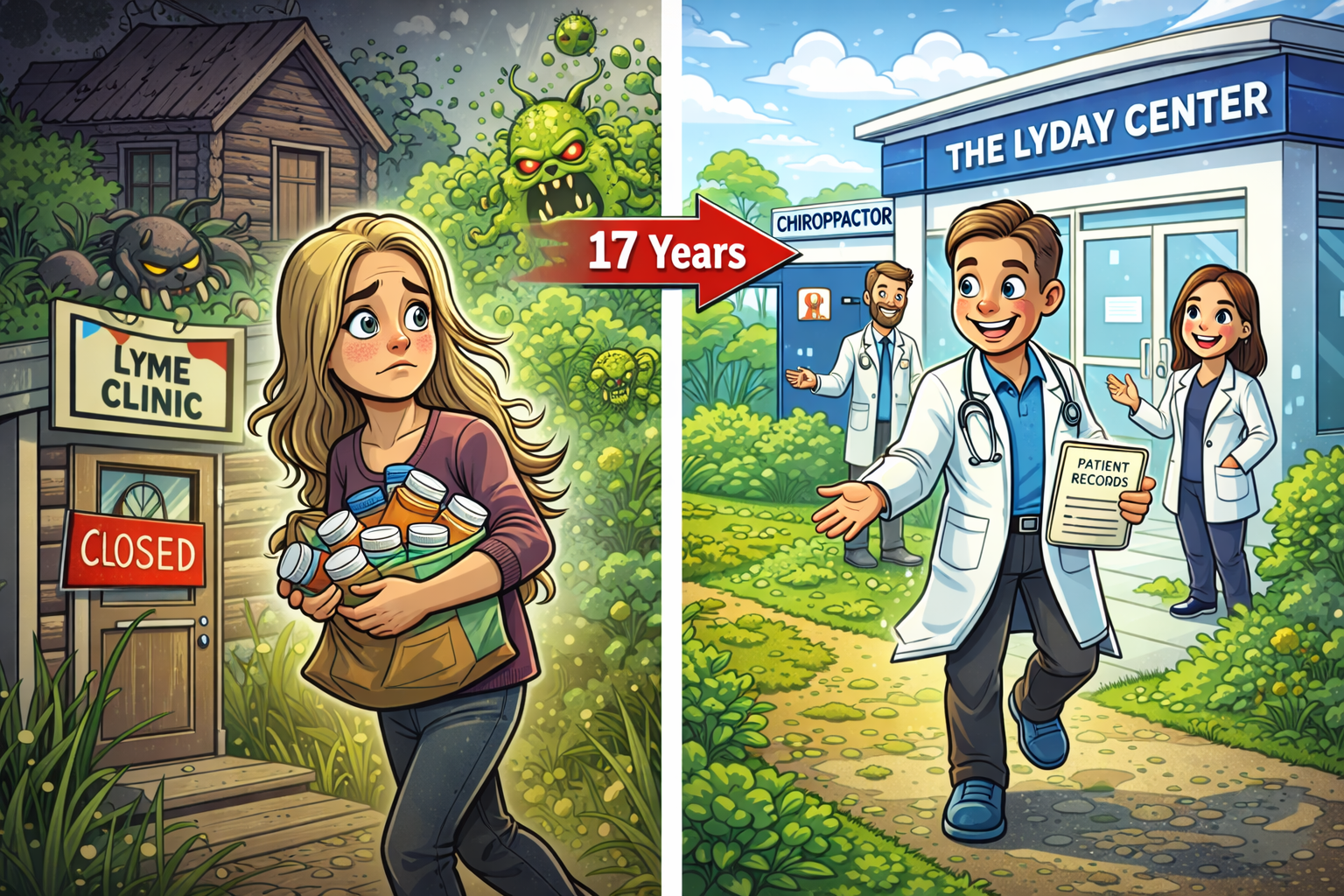
When the Journey Is Long: A Lyme Warrior Finds a New Path After 17 Years
Some patients arrive at our clinic after a long search for answers.
Others arrive after an entire lifetime of trying.
Recently I met a woman who has been walking the Lyme disease road for 17 years.
Seventeen years of treatments.
Seventeen years of testing.
Seventeen years of hoping that the next protocol might finally be the one that helps her feel like herself again.
And yet, when she sat across from me, she quietly said something that I hear far too often:
“I still feel awful.”
A Journey Through the Lyme World
Over the years she has worked with several Lyme-literate physicians and traveled across the country seeking help. She was a patient of well-known ILADS physicians and spent many years under the care of specialists who focus on complex tick-borne disease.
Her treatment history includes:
Long-term antibiotics
Advanced Lyme protocols
Babesia and Bartonella treatments
Mold detoxification programs
Dapsone pulse therapy
Extensive laboratory testing
For more than a decade and a half she has done everything asked of her in the hope that relief would finally come.
Recently she traveled to New York for care when her long-time physician closed his clinic. After additional testing, she was told that Babesia and Bartonella were now negative.
But her body was telling a very different story.
She continues to experience:
Severe shortness of breath
Persistent fatigue
Cognitive decline and brain fog
Anxiety and nervous system symptoms
Sensitivity to smells and chemicals
Gastrointestinal distress
Skin flushing and possible mast cell activation
In other words, the infection tests may have improved, but the illness never truly resolved.
When the Story Isn’t Finished
For many chronic Lyme patients, the illness is not caused by just one problem.
Instead, it often involves a complex web of interacting factors, including:
Chronic infections (Lyme, Bartonella, Babesia)
Biotoxin illness from mold exposure
Mast cell activation and immune dysregulation
Post-viral inflammation (including long COVID)
Biofilms and persistent inflammatory signaling
When one piece improves but the others remain active, patients can remain stuck in a cycle of symptoms.
This is something we see frequently in patients who have been sick for many years.
A Referral From an Unexpected Place
What finally brought her to our clinic was something simple.
Her chiropractor suggested she look into our center.
Like many patients who arrive here, she had been reading about ILADS doctors and Lyme specialists for years. She had tried many approaches, traveled across the country for care, and was beginning to feel like she had reached the end of the road.
But sometimes healing journeys take an unexpected turn.
And sometimes that turn starts with a simple conversation.
Looking at the Whole Picture
During her visit we began reviewing her long medical history and identifying areas that may not have been fully addressed.
Several things stood out:
Her breathing symptoms remained severe despite treatment for Babesia.
She had spent nearly two years on an aggressive mold detox program that was causing significant gastrointestinal distress.
Her symptoms suggested possible mast cell activation, which can amplify inflammation and create chemical sensitivities.
She also experienced a major decline in health following COVID infection, which can worsen immune dysregulation in patients already dealing with chronic infections.
When the immune system has been under siege for years, it often needs careful recalibration, not just more antimicrobial treatment.
A New Starting Point
Instead of repeating the same protocols she has already done for years, we are beginning with a different strategy.
Our first goals are to:
• Calm the inflammatory response
• Support immune regulation
• Break down persistent biofilms
• Investigate environmental exposures such as mold
• Address possible mast cell activation
• Restore physiologic balance before aggressive antimicrobial therapy
Healing long-standing illness rarely happens overnight.
But after 17 years of searching, sometimes the most important step is simply finding a new perspective.
The Strength of Lyme Patients
One thing that never stops inspiring me is the resilience of Lyme patients.
They continue searching for answers long after many people would have given up.
They travel across the country for care.
They try new treatments.
They keep believing that their body can heal.
And more often than people realize, it eventually does.
This patient is at the beginning of a new chapter in her journey.
And while her path has been long, I believe the story is far from over.